Since the 1940s, prescription antibiotics such as penicillin have helped individuals recover from otherwise deadly illnesses and ailments. People are, nevertheless, resorting to natural antibiotics for therapy.
According to the UK health authority, one in every ten persons has stomach adverse effects after taking antibiotics. One in every fifteen persons is allergic to this sort of drug.
There is also an increase in antibiotic-resistant microorganisms. All of this necessitates additional research into antibiotics derived from nature.
Here at herbalogi.ai, we are looking at some of the most promising natural sources of antibiotics, such as:
- Honey
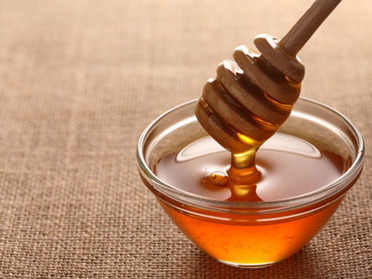
Honey has been used as an ointment since the time of Aristotle to aid in wound healing and to prevent or draw out infection. Honey’s antibacterial properties are commonly linked to its hydrogen peroxide component. According to 2011 research, the most well-known variety of honey kills around 60 different types of bacteria. It also implies that honey is effective in treating wounds infected with methicillin-resistant Staphylococcus aureus (MRSA).
Today, healthcare experts use it to treat chronic wounds, burns, ulcers, bedsores, and skin grafts. Aside from its antibacterial qualities, honey may aid in wound healing by providing a protective layer that promotes a moist environment.
- Garlic
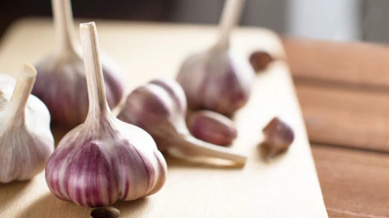
Different cultures and civilizations have recognised the potential use of garlic for illness prevention and treatment throughout history. It is said that Louis Pasteur reported the antimicrobial action of garlic for the first time in 1858.
Recent research backs up the benefits of garlic and its extracts in a variety of applications. Garlic’s antibacterial action is largely linked to allicin. Bacteriostatic effects of garlic extract and allicin against vancomycin-resistant enterococci have been demonstrated.
Garlic cloves and ginger rhizomes extracted with 95% ethanol have been shown to have anti-bacterial action against multi-drug clinical pathogens and can be utilised to avoid drug-resistant microbial illnesses. Garlic has also been proposed as a therapy for multidrug-resistant TB.
- Ginger
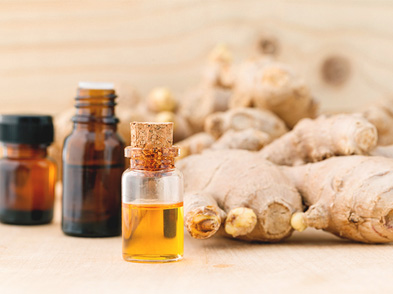
Ginger is commonly utilised in the culinary, pharmaceutical, cosmetic, and other sectors. Some of the volatile chemicals responsible for ginger’s antibacterial activity include á-pinene, borneol, camphene, and linalool.
Ginger oils were tested for antibacterial activity in vitro and in vivo by Sa-Nguanpuag et al. The oils had antibacterial properties against B. Subtilis, Bacillus Nutto, P. Aerugenosa, Rhodoturola sp., Samonella Newport, S. Enteritidis, and Fusarium Sp.
At low doses, ginger was shown to have substantial antibacterial activity against several common microbes such as P. Aerugenosa in vivo and in vitro. Ginger might also inhibit pathogens with low MICs and MBCs, such as P. Gingivalis and enterococcal isolates.
- Clove
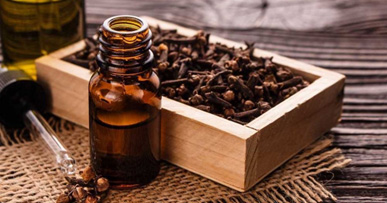
Because of its antibacterial properties against oral germs, clove is commonly used in medicine as an antiseptic against infectious disorders such as periodontal disease. Clove is often used in the food sector as a natural addition or antimicrobial to extend shelf life. Eugenol is the primary active component of clove oil and extract.
An in vitro investigation using the agar well diffusion technique revealed that clove water extract had antibacterial activity against S. Aureus.
Clove has the potential to damage microorganism cell walls and membranes, infiltrate cytoplasmic membranes, enter cells, and subsequently hinder normal DNA production. Eugenol can deteriorate cell walls and impede the formation of amylase and proteases in B. cereus.