Natural-sourced drug molecules have unique properties not found in the synthetic chemical domain. They typically have a large scaffold variety and much higher structural complexity. They also have a higher molecular mass, a greater number of sp3 carbon atoms and oxygen atoms but fewer nitrogen and halogen atoms, a greater number of H-bond acceptors and donors, lower calculated octanol-water partition coefficients, and greater molecular rigidity. The increased stiffness of NPs may be useful in drug development involving protein-protein interactions.
Nature offers a clue on the possibility of advancing beyond ‘Lipinski’s rule of five’. Indeed The growth in molecular mass of authorised oral medications over the last 20 years demonstrates the growing importance of treatments that do not follow this criterion. Evolution has structurally ‘optimised’ NPs to perform certain biological tasks such as the control of endogenous defence systems and interaction (often competition) with other species, which explains their significant importance for infectious illnesses and cancer. Furthermore, their usage in traditional medicine may reveal information about efficacy and safety. When compared to traditional synthetic small-molecule libraries, nature’s drug pool is richer with ‘bioactive’ molecules that cover a broader range of chemical space.
Despite several examples of effective drug development, certain limitations of natural products have caused pharmaceutical corporations to curtail nature-based drug discovery initiatives. Drug screening processes often use a library of extracts from natural sources that may or may not be compatible with classic target-based assays. Identifying the bioactive molecules of interest can be difficult, and dereplication methods must be used to avoid the rediscovery of previously known compounds. It may also be difficult to get enough biological material to isolate and characterise bioactive nature-based drug molecules.
Furthermore, obtaining intellectual property (IP) rights for natural products with relevant bioactivities might be difficult, as naturally occurring chemicals in their native form are not necessarily patentable. An additional layer of complication arises from the regulations defining the need for benefit sharing with the countries of origin of biological material, as framed in the United Nations 1992 Convention on Biological Diversity and the Nagoya Protocol, which entered into force in 2014, as well as recent developments concerning benefit sharing related to the use of marine genetic resources.
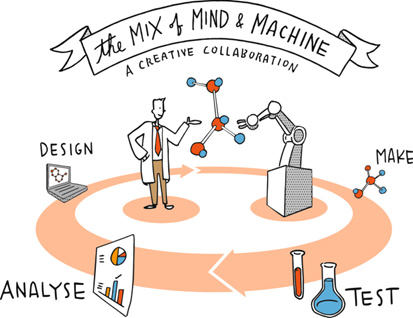
We at herbalogi.ai are committed to reinvigorating the research in nature-based drug design with the help of machine learning and artificial intelligence. Our approach is to treat compendiums of potential natural medicines (from plants, fungi or marine organisms) and human illness as large, interconnected datasets that can be analysed using advanced data science techniques. From this starting point, other important data such as genomics, chemical and spectral analysis data will be added to the main dataset collection. It will then enable the analysis of genetic information, and the prediction of chemical structures and pharmacological activities. Even though it may seem simpler than the conventional drug design working the in the synthetic chemical space (which is too big), it is not exactly easy either.