Alzheimer’s disease (AD) is a neurodegenerative condition of the brain. It degrades and kills brain cells as well as the neurons that link them. Memory, conduct, and mental abilities suffer as a result of this injury. There are currently no medications available that can delay or stop the growth of this condition. Researchers also do not know how to prevent the start of Alzheimer’s disease.
AD is named after the German physician Alois Alzheimer. In 1906, he documented the symptoms of a patient known as “Auguste D.” Memory loss, odd conduct, and brain shrinkage were among the symptoms. In a 1910 medical publication, Dr Alzheimer’s colleague, psychiatrist Emil Kraepelin, invented the term “Alzheimer’s illness.”
On November 5, 1994, at the age of 83, former US President Ronald Reagan declared that he had Alzheimer’s disease. He died eleven years later from pneumonia and Alzheimer’s disease complications. Reagan was one of the first well-known figures to be diagnosed with the condition. His announcement increased widespread awareness of AD in the modern day.
The overproduction of beta-amyloid proteins and hyperphosphorylated Tau protein is a hallmark of Alzheimer’s disease. Overproduction and buildup of A cause oxidation, lipid peroxidation, inflammation, disruption of cell functioning, death, and neurofibrillary tangle development.
The tau protein is hyperphosphorylated, resulting in the creation of tangles in the hippocampus and, eventually, cell death. The two processes implicated in AD are oxidative damage and the inflammatory process, and both have been extensively researched in the literature. There are mainly three strategies to reduce the symptom of AD; (i) using antioxidants to reduce reactive oxygen species (ROS), (ii) using Acetylcholinesterase (AChE) inhibitor to protect the neurotransmitters in a cholinergic system and finally (iii) using drugs to target the beta-amyloid protein. The medicinal plants listed below exhibit one or more of the three strategies when taken by AD patients.
- Bacopa Monnieri
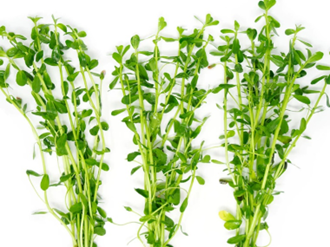
In traditional medicine, Bacopa Monnieri is often used as a nerve tonic, diuretic, and in the treatment of asthma and rheumatism. It was also used to treat epilepsy, insomnia and memory/cognitive function improvement. Many investigations have been conducted on the neuropharmacological effects and nootropic action of Bacopa extracts have been widely studied. In an Alzheimer’s disease animal model, rats given Bacopa extract reduced cholinergic degeneration while also improving memory. According to another study, it reduced AChE activity while increasing ACh levels. The extracts also protected neuronal cells from -amyloid damage. Furthermore, neurons treated with Bacopa extract had lower levels of ROS, suggesting that it inhibited intracellular oxidative stress.
- Ginkgo Biloba
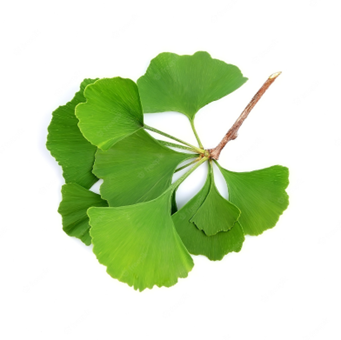
Ginkgo biloba leaves have traditionally been used in traditional medicine to improve memory and age-related degeneration. Ginkgo biloba leaf extract phytochemicals comprise flavonoids, organic acids, and terpenoids, all of which have neuroprotective action. Ginkgo biloba leaf extracts have been demonstrated to produce cytotoxicity against -amyloid, which may be connected to their ability to scavenge free radicals, minimise mitochondrial dysfunction, and prevent neuronal death. Furthermore, a 2015 research review published in the Journal of Alzheimer’s Disease reveals that EGb761, a ginkgo Biloba extract, may be especially beneficial in delaying cognitive decline among individuals with neuropsychiatric symptoms in addition to cognitive impairment and dementia.
- Garlic
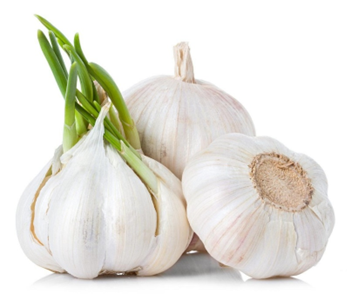
Borek et al. studied the neuroprotective impact of aged garlic extract in a Tg2576 mouse model, finding that animals given aged garlic extracts had improved hippocampus memory. The process scavenged free radicals, boosted enzyme antioxidants such as superoxide dismutase, catalase, glutathione peroxidase, and glutathione levels, blocked lipid peroxidation, and decreased inflammatory prostaglandins. In addition to protecting neurons against -amyloid neurotoxicity and apoptosis, aged garlic extracts can prevent cognitive decline, ischemia or reperfusion-related neuronal death, and improve learning and memory retention. A recent study found that aged garlic extracts improved short-term recognition memory and reduced neuroinflammation in A-induced rats, as well as attenuated neuroinflammatory responses in microglial cells.
- Turmeric
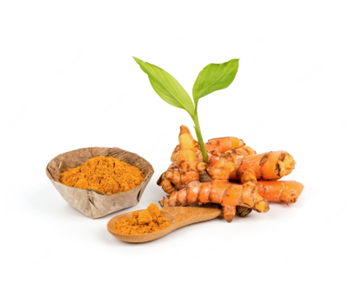
Curcuma longa is a rhizomatous perennial plant of the Zingiberaceae family. Curcuminoids, including curcumin, demethoxycurcumin, and bis-demethoxycurcumin, are the active chemicals. Curcumin, among other things, has anti-inflammatory, antioxidant, anticancer, and antibacterial properties. A prior analysis found curcumin to be a promising chemical for the treatment of Alzheimer’s disease. Curcumin can reduce oxidative damage in the brain. Curcumin has been found to reverse -amyloid pathology in an Alzheimer transgenic mice model. Curcumin’s antioxidant and anti-inflammatory effects also lowered several symptoms of Alzheimer’s disease. Curcumin rescued PC12 cells against A-induced neurotoxicity by reducing oxidative damage and tau hyperphosphorylation.