Artificial intelligence used to be far removed from the domain of the nutraceutical industry. The concept that computer systems can help create nutritional supplements from herbs, vitamins, and other substances by emulating human expertise appears far-fetched. However, at herbalogi.AI, this is exactly what we are doing despite some naysayers pooh-pooing this idea.
“What for?” The critiques asked. “The expertise of nutritional scientist, dietitian, and biochemist can’t be replicated by a machine!’ the naysayer grumbled. But why of course, that is what we are aiming for. Well not exactly, the machine would complement, and aid the works of a scientist rather than replace them outright.
For example, in our early consultation works with a company to study anthraquinone derivatives, we found that they are effective as an anti-inflammation agent and has anticancer property. We also found new unexpected herbal sources for anthraquinone and how best to create a new formulation for a functional food supplement. All analyses took us less than two months and to achieve the same results with a human expert, it would take at least six months or more via tiresome meta-analysis reviews.
Our core discovery engine, the Ligands-Peptides Repurposing, Discovery, and Search Engine (LPROSE) has been fed with hundreds of thousands of peer-reviewed studies encompassing ligands, plant phytochemistry, protein targets and other relevant information gathered from highly cited journals and ancient pharmacopoeia.
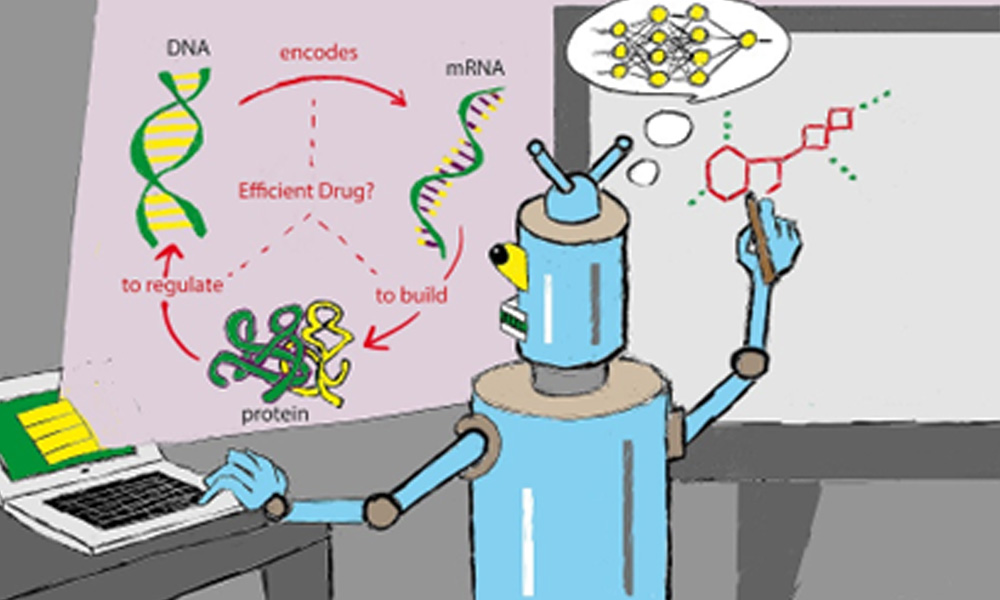
However, it must be stressed that our discovery engine is not a mere search engine that most are familiar with. Those search engines rely on keywords as input and will search for documents, images, videos etc that contain those keywords. That is not what our discovery engine is doing. Our tech relies on a graph neural network that can analyse the underlying connection between ligands and protein targets and can confidently make the suggestion that some overlooked ligands can be repurposed for a protein target that nobody has thought of them to be related to.
For example, let’s say we want to study the effectiveness of pterostilbene antiaging properties for a diabetes patient demographic. In case you’re not familiar, pterostilbene is related to resveratrol but is less studied and thus less popular as a food supplement. However, it has 80% bioavailability which is way higher than resveratrol’s 20%. Now, when we initiate our study of pterostilbene using our discovery engine, the results suggested that it may be more effective for the population of patients with cardiovascular disease. It also suggests that both pterostilbene and resveratrol perform better together in a formulation. This can guide us on what compound is worthy to be studied experimentally which cost more money.
The wisdom to allocate research expenditures is very crucial in the nutraceutical business. While pharmaceutical companies can invest millions of dollars in clinical research, nutraceutical researchers have considerably smaller budgets; hence, being able to better utilize those research dollars is tremendously advantageous.
The cost saved from using AI is passed back to the customer. We can confidently produce highly effective products which cost less than they should if we go through the more traditional process. We view our technology as a disruption to the herbal medicine and natural health products market in Malaysia. Most products on the market, especially the product promoted on social media, are not based on scientific study. They sometimes add dangerous controlled medicine and steroid to make it more effective. Some products also mix multiple herbal extracts without proper due regard even though some natural active ingredients could have adverse interactions with each other. It is time to promote scientific awareness among consumers of nutraceuticals and using AI as a natural product design tool will surely help consumers distinguish between safe and dangerous products.